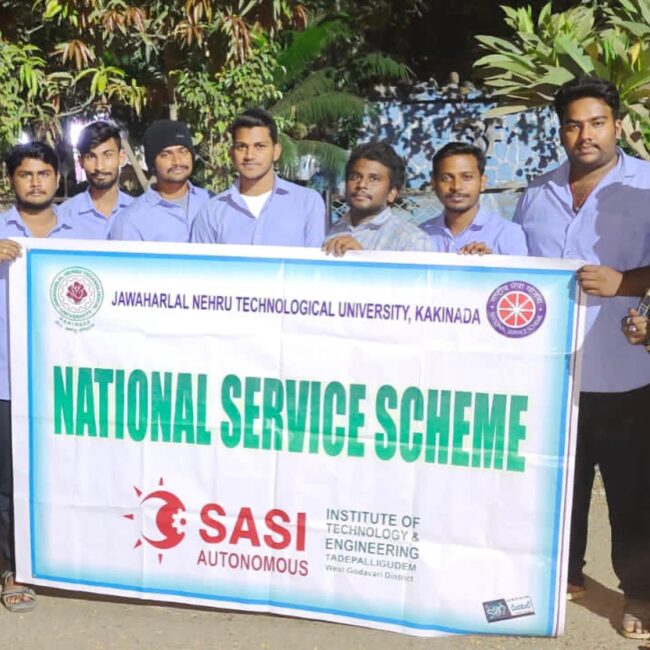
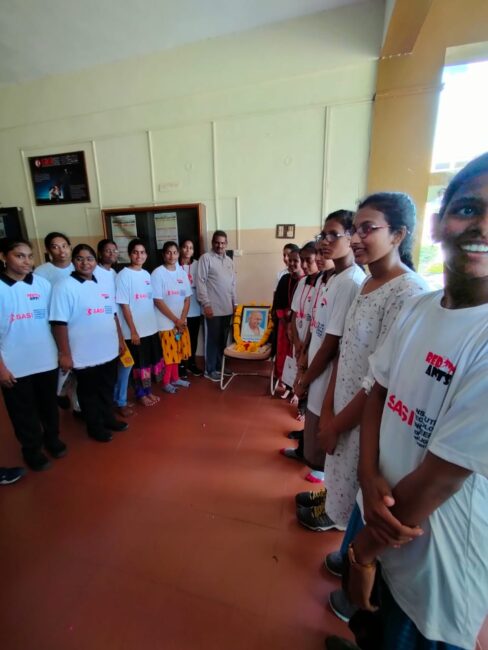
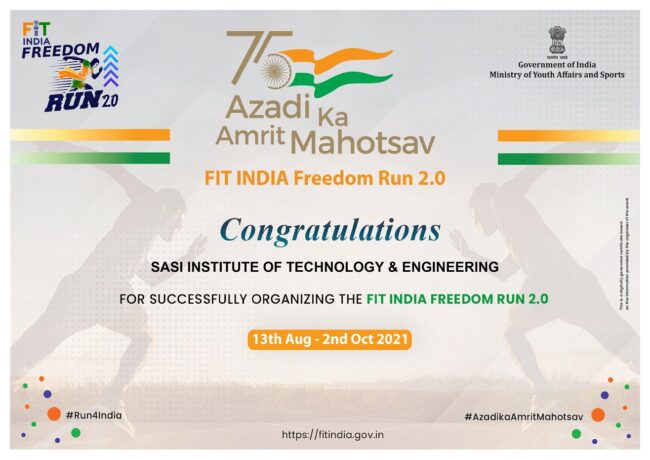
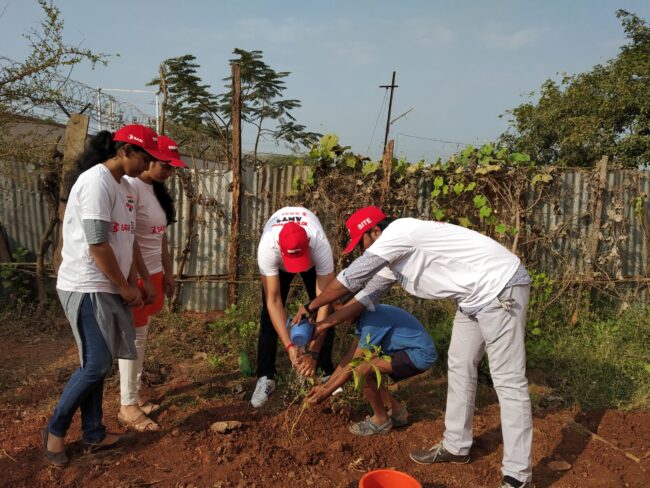
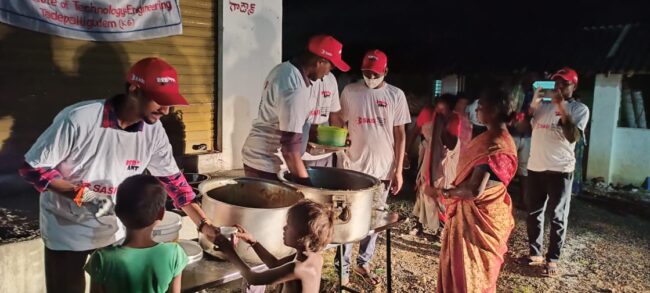
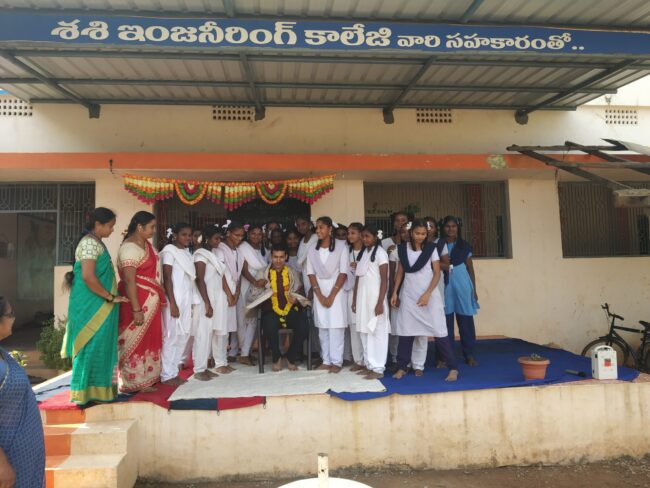
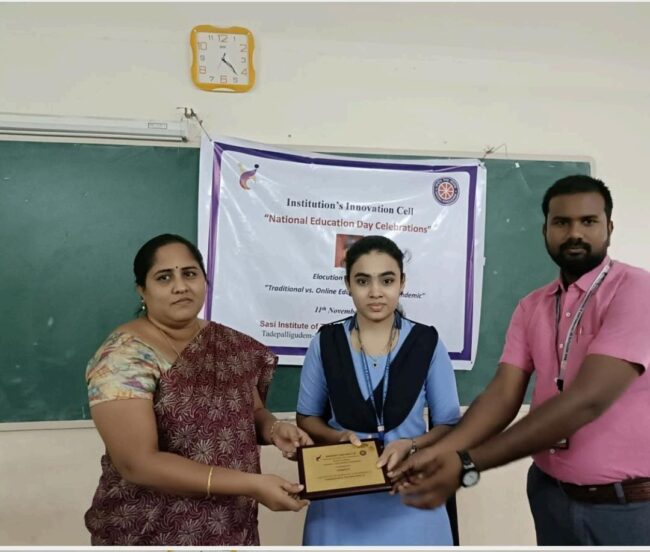
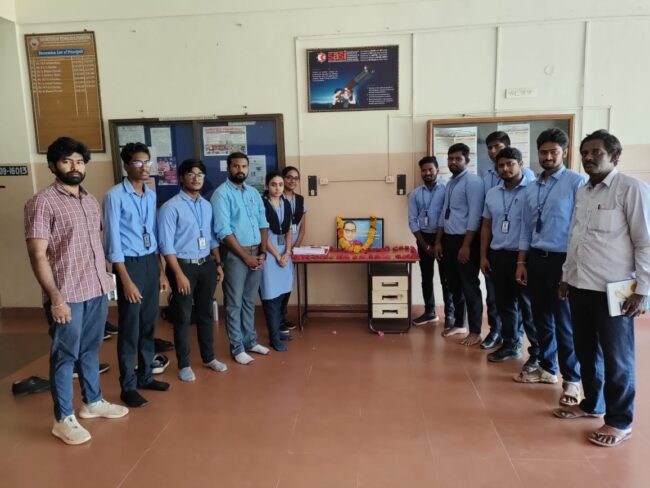
The National Service Scheme, also known as NSS, is an extension of activities to the higher education system that orients student youth to community service while they are studying in educational institutions under the auspices of the Ministry of Youth Affairs and Sports, Government of India.NSS (National Service Scheme) Unit of SITE to make the students aware of social responsibilities and dignity of labor and make them self reliant. The programme aims to inculcate social welfare in students, and to provide service to society without bias. NSS volunteers work to ensure that everyone who is needy gets help to enhance their standard of living and lead a life of dignity. In doing so, volunteers learn from people in villages how to lead a good life despite a scarcity of resources. it also provides help in natural and man-made disasters by providing food, clothing and first aid to the disaster victims.
- Understand the community in which they work
- Understand themselves in relation to their community
- Identify the needs and problems of the community and involve them in problem-solving
- Develop among themselves a sense of social and civic responsibility
- Utilize their knowledge in finding practical solutions to individual and community problems
- Develop competence required for group-living and sharing of responsibilities
- Gain skills in mobilizing community participation
- Acquire leadership qualities and democratic attitudes
- Develop capacity to meet emergencies and natural disasters and practice national integration and social harmony
Motto
The Motto of NSS “Not Me But You”, reflects the essence of democratic living and upholds the need for self-less service. NSS helps the students develop appreciation to other person’s point of view and also show consideration to other living beings. The philosophy of the NSS is well doctrine in this motto, which underlines/on the belief that the welfare .of an individual is ultimately dependent on the welfare of the society on the whole and therefore, the NSS volunteers shall strive for the well-being of the society.
Knowledge and Attitude Profile (WK) | |
WK1 | A systematic, theory-based understanding of the natural sciences applicable to the discipline and awareness of relevant social sciences. |
WK2 | Conceptually-based mathematics, numerical analysis, data analysis, statistics and formal aspects of computer and information science to support detailed analysis and modelling applicable to the discipline. |
WK3 | A systematic, theory-based formulation of engineering fundamentals required in the engineering discipline. |
WK4 | Engineering specialist knowledge that provides theoretical frameworks and bodies of knowledge for the accepted practice areas in the engineering discipline; much is at the forefront of the discipline. |
WK5 | Knowledge, including efficient resource use, environmental impacts, whole-life cost, re- use of resources, net zero carbon, and similar concepts, that supports engineering design and operations in a practice area. |
WK6 | Knowledge of engineering practice (technology) in the practice areas in the engineering discipline. |
WK7 | Knowledge of the role of engineering in society and identified issues in engineering practice in the discipline, such as the professional responsibility of an engineer to public safety and sustainable development. |
WK8 | Engagement with selected knowledge in the current research literature of the discipline, awareness of the power of critical thinking and creative approaches to evaluate emerging issues. |
WK9 | Ethics, inclusive behavior and conduct. Knowledge of professional ethics, responsibilities, and norms of engineering practice. Awareness of the need for diversity by reason of ethnicity, gender, age, physical ability etc. with mutual understanding and respect, and of inclusive attitudes. |
Program Outcomes:
PO1 – Engineering Knowledge: Apply knowledge of mathematics, natural science, computing, engineering fundamentals and an engineering specialization as specified in WK1 to WK4 respectively to develop to the solution of complex engineering problems. |
PO2 – Problem Analysis: Identify, formulate, review research literature and analyze complex engineering problems reaching substantiated conclusions with consideration for sustainable development. (WK1 to WK4) |
PO3 – Design/Development of Solutions: Design creative solutions for complex engineering problems and design/develop systems/components/processes to meet identified needs with consideration for the public health and safety, whole-life cost, net zero carbon, culture, society and environment as required. (WK5) |
PO4 – Conduct Investigations of Complex Problems: Conduct investigations of complex engineering problems using research-based knowledge including design of experiments, modelling, analysis & interpretation of data to provide valid conclusions. (WK8). |
PO5 – Engineering Tool Usage: Create, select and apply appropriate techniques, resources and modern engineering & IT tools, including prediction and modelling recognizing their limitations to solve complex engineering problems. (WK2 and WK6) |
PO6 – The Engineer and The World: Analyze and evaluate societal and environmental aspects while solving complex engineering problems for its impact on sustainability with reference to economy, health, safety, legal framework, culture and environment. (WK1, WK5, and WK7). |
PO7 – Ethics: Apply ethical principles and commit to professional ethics, human values, diversity and inclusion; adhere to national & international laws. (WK9) |
PO8 – Individual and Collaborative Team work: Function effectively as an individual, and as a member or leader in diverse/multi-disciplinary teams. |
PO9 – Communication: Communicate effectively and inclusively within the engineering community and society at large, such as being able to comprehend and write effective reports and design documentation, make effective presentations considering cultural, language, and learning differences |
PO10 – Project Management and Finance: Apply knowledge and understanding of engineering management principles and economic decision-making and apply these to one’s own work, as a member and leader in a team, and to manage projects and in multidisciplinary environments. |
PO11 – Life-Long Learning: Recognize the need for, and have the preparation and ability for |
Sk Salman Basha
Coordinator,
NSS Unit,
Sasi Institute of Technology & Engineering,
Tadepalligudem- 534101
Contact: 9177489662
Email id: [email protected]